
The forklift certification test is a critical requirement for anyone looking to operate powered industrial trucks in the workplace. Under OSHA regulations, all forklift operators must complete proper training and pass a certification test before legally operating this equipment. Understanding what’s included in this assessment can help you prepare effectively and increase your chances of success. This guide breaks down everything you need to know about the forklift certification test components, requirements, and preparation strategies.
Written Examination: What Your Forklift Course Will Cover
The first major component of any forklift certification test is the written examination. During your forklift course you’ll learn essential theoretical knowledge that forms the foundation of safe operation. This written portion typically covers:
Technical Knowledge Assessment
The technical section evaluates your understanding of forklift mechanics and operational principles. Questions often focus on:
- Load center calculations and weight capacity limits
- Free lift operations and mast types
- Stability triangle concepts and tipping points
- Battery maintenance for electric forklifts
- Fuel system knowledge for combustion models
Safety Protocols and Regulations
The forklift test places a crucial emphasis on safety procedures, covering various aspects to ensure workplace safety. This includes interpreting warning indicators effectively, adhering to daily inspection requirements through comprehensive checklists, implementing accident prevention measures rigorously, mastering proper techniques for handling loads safely, observing pedestrian safety protocols diligently, and proficiently identifying workplace hazards. These elements are integral to operating a forklift safely, ensuring both personal and operational safety within industrial environments.
OSHA Requirements and Standards
The OSHA forklift test includes questions about regulatory compliance, covering:
- Operator certification requirements
- Workplace-specific regulations
- Documentation and record-keeping
- Reporting procedures for incidents
- Training frequency requirements
Practical Skills Assessment Components
The second major component of the forklift certification test is the hands-on, practical evaluation. This assessment verifies that you can apply theoretical knowledge in real-world situations.
Operation Skills Demonstration
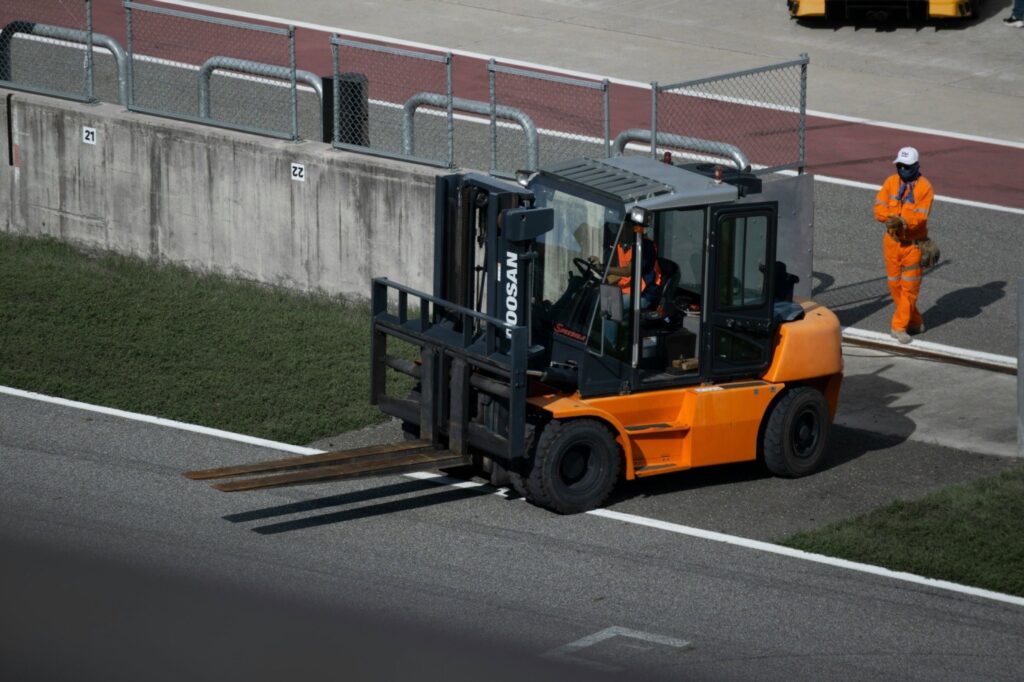
During the forklift training test, evaluators will assess your ability to maneuver through typical workplace obstacles, navigate tight spaces and corners, operate efficiently on various surfaces and inclines, maintain proper speed and control, and follow designated travel paths and rules. These skills are essential for ensuring safe and efficient forklift operation in diverse workplace environments.
Load Handling Proficiency
Your practical test will include demonstrating proper load management:
- Picking up and placing loads safely
- Stacking and unstacking materials
- Maintaining load stability during transport
- Judging appropriate load weights and distributions
- Operating with various load types and sizes
Safety Awareness in Practice
Evaluators pay close attention to safety behaviors during your practical assessment:
- Proper mounting and dismounting techniques
- Consistent use of horn at intersections and blind spots
- Maintaining appropriate speed in various conditions
- Correct posture and positioning while operating
- Proper parking and shutdown procedures
Certification Process and Requirements
Understanding the full certification process helps you prepare for all aspects of the forklift test.
Initial Certification Standards
To qualify for forklift certification, you must be at least 18 years old and successfully complete both classroom and hands-on training. Additionally, passing both written and practical assessments is required, along with receiving formal authorization from your employer. Proper documentation of completed training must also be maintained to ensure compliance with certification requirements.
Certification Validity and Renewal
The forklift certification test is not a one-time requirement:
- Initial certification is valid for three years
- Operators must be evaluated at least once every three years
- Refresher training is required for renewal
- Documentation must be updated with each certification
- Employers must maintain records of all certifications
Circumstances Requiring Immediate Recertification
Immediate retraining and retesting are required in certain situations, such as when an operator is observed handling equipment unsafely, is involved in an accident or near-miss, or is assigned to a different type of forklift. Additionally, significant changes in workplace conditions or extended periods without operating a forklift also necessitate retraining to ensure safety and compliance.
Preparing for Your Forklift Certification Test
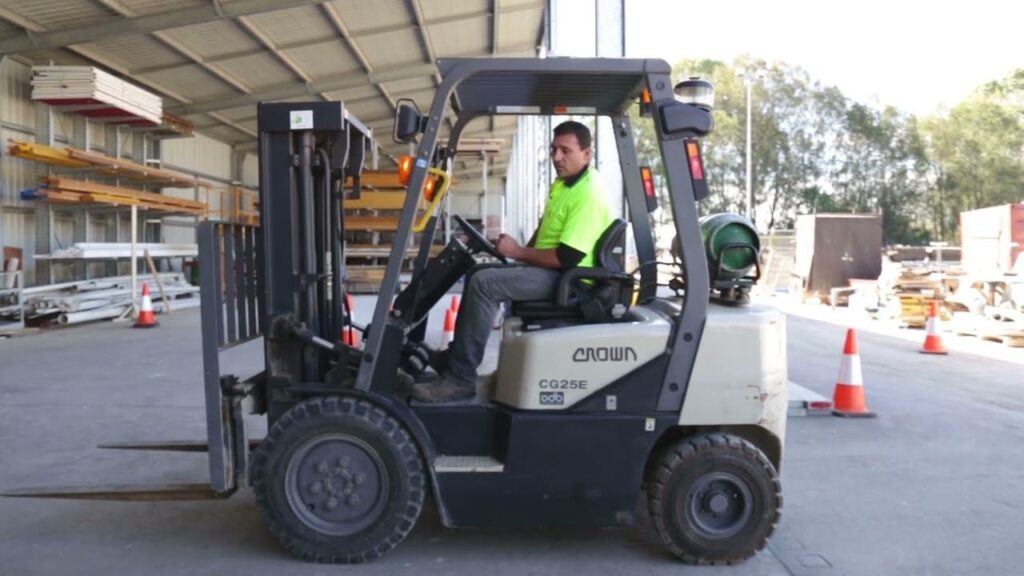
Taking a forklift practice test can significantly increase your chances of passing on the first attempt. Here are effective preparation strategies:
Study Resources and Materials
- Review OSHA guidelines and regulations
- Study equipment-specific operator manuals
- Use online forklift certification resources
- Practice with sample test questions
- Watch instructional videos on proper techniques
Common Test Questions and Topics
To succeed in a forklift test, be prepared for frequently tested areas, including when to perform equipment inspections, the correct approach to ramps and inclines, and proper refueling procedures. Additionally, understanding load capacity calculation methods, emergency response protocols, and pedestrian right-of-way rules is essential for safe and efficient forklift operation.
Finding Training Options
Many employers now accept online forklift certification as a convenient alternative to in-person training. When searching for “forklift certification near me,” consider:
- Employer-provided training programs
- Vocational schools and community colleges
- Safety consulting companies
- Equipment dealer training programs
- Industry association courses
Closing thoughts: the Importance of Proper Certification
The forklift certification test serves as a critical safeguard against workplace accidents and injuries. By thoroughly understanding what’s included in both the written and practical components, you can approach your certification with confidence. Remember that certification isn’t just about passing a test it’s about developing the knowledge and skills needed to operate safely in your specific workplace environment. Whether you choose an in-person program or an online forklift certification option, the focus should always be on comprehensive learning rather than simply passing the test. Proper certification protects you, your coworkers, and your employer from the serious consequences of untrained operation. With the right preparation and understanding of test requirements, you’ll be well-positioned to earn your certification and operate forklifts safely and efficiently.