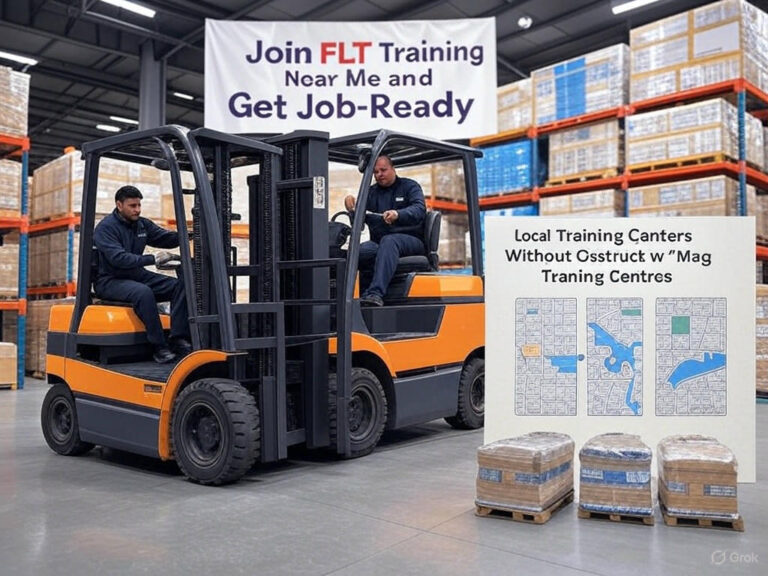

Forklifts play a crucial role in various industries, including warehousing, construction, logistics, and manufacturing. While operating a forklift may seem simple, it requires proper training and certification to ensure safety, efficiency, and compliance with workplace regulations. Obtaining a forklift certification not only enhances your skills but also increases your employability and earning potential.
Many workplaces require certified forklift operators to minimize accidents and maintain legal compliance. Without proper training, workers risk injury, equipment damage, and even legal repercussions. Whether you’re new to forklift operation or looking to upgrade your skills, enrolling in a forklift training course can significantly improve your career prospects.
Why You Should Search for Forklift Classes?
If you’re serious about becoming a professional forklift operator, the best way to start is by enrolling in forklift classes. These courses offer hands-on training, expert guidance, and theoretical knowledge necessary for safe and efficient forklift operation. Many employers prefer hiring certified operators, as they bring added safety and expertise to the workplace.
Forklift training programs teach essential skills such as load balancing, navigating tight spaces, proper lifting techniques, and workplace hazard identification. Without proper certification, operating a forklift can lead to severe workplace accidents, injuries, and equipment damage. By completing a professional training program, you’ll gain the confidence and qualifications needed to excel in this field.
Benefits of Forklift Certification
1. Better Job Opportunities and Higher Salary
A forklift certification sets you apart from other job applicants, increasing your chances of securing a well-paying job. Many industries require certified operators, making it a valuable qualification to add to your resume. Certified forklift operators often earn higher wages than those without proper training.
2. Compliance with Workplace Safety Laws
Many countries and organizations have strict safety regulations regarding forklift operation. Employers must ensure that their workers receive proper training to comply with Occupational Safety and Health Administration (OSHA) regulations and other workplace safety standards. Forklift certification helps businesses avoid fines and legal issues while maintaining a safe work environment.
3. Prevention of Workplace Accidents and Injuries
Improper forklift operation can lead to severe accidents, including tip-overs, collisions, and falling loads. Training programs teach operators how to handle forklifts safely, reducing the risk of injuries to themselves and their coworkers. Certified operators are more aware of potential hazards and follow safety procedures to prevent workplace incidents.
4. Increased Productivity and Efficiency
Properly trained forklift operators perform tasks faster and more efficiently. They know how to maneuver heavy loads safely, reducing the chances of workplace disruptions. A well-trained operator can complete tasks with precision, leading to improved productivity in warehouses, construction sites, and other industrial settings.
5. Lower Equipment Damage and Maintenance Costs
Untrained forklift operators are more likely to misuse machinery, leading to unnecessary wear and tear. Certified operators understand how to handle forklifts properly, reducing equipment damage and maintenance costs. Proper training also helps prolong the lifespan of forklifts and other industrial equipment.
6. Confidence and Professional Growth
Obtaining a forklift certification not only boosts your career prospects but also enhances your confidence in operating heavy machinery. Training equips you with the necessary skills to perform your job efficiently, making you a valuable asset to any company. With experience and additional certifications, you can advance to higher roles such as a forklift trainer or supervisor.
How to Choose the Right Forklift Training Program
When searching for a forklift training course, consider the following factors to ensure you receive quality instruction:
- Accreditation – Choose a program that is recognized by industry standards and regulatory bodies.
- Hands-on Training – Practical experience is essential for mastering forklift operation. Look for programs that offer real-world training.
- Course Curriculum – A good training program should cover forklift operation, safety guidelines, load handling, and emergency procedures.
- Flexible Scheduling – If you have worked or other commitments, consider courses that offer flexible training hours.
- Certification Validity – Ensure that the certification is valid in your industry or region for legal compliance.
What to Expect in a Forklift Certification Course
A forklift certification course typically includes both theoretical and practical training. Here’s what you can expect:
- Classroom Instruction – Covers safety regulations, forklift mechanics, and workplace hazard awareness.
- Hands-on Training – Instructors provide real-time guidance on forklift operation, load handling, and maneuvering.
- Written and Practical Exams – Operators must pass both assessments to receive certification.
- Official Certification – Once you complete the course and pass the exams, you’ll receive a forklift operator certificate valid for a specified period.
Frequently Asked Questions about Forklift Certification
1. Do I need a forklift certification to operate a forklift?
Yes, in most workplaces, forklift operators must be certified to comply with safety regulations and ensure workplace safety.
2. How long does forklift training take?
The duration of forklift training depends on the program, but most courses take one to three days to complete.
3. Can I take forklift training online?
While some courses offer online theoretical training, hands-on practice is essential. Look for programs that include in-person practical training.
4. How much does forklift certification cost?
The cost varies depending on the provider, course length, and location. It’s best to check with local training centers for pricing details.
5. Is forklift certification valid forever?
No, forklift certifications typically need to be renewed every three to five years to ensure operators stay updated with the latest safety standards.
Key Takeaways
Forklift certification is a vital investment in your career. It improves your job prospects, ensures workplace safety, and enhances productivity. Whether you’re new to forklift operation or looking to advance your skills, completing a professional training course will set you on the right path.
If you’re searching for forklift classes near me, choose a trusted training provider that offers hands-on instruction and recognized certification. Start your journey toward becoming a certified forklift operator today!