
Why Forklift Certification Is Essential Across Multiple Industries
Forklift operators play a crucial role in the modern economy, serving as the backbone of material handling operations across numerous sectors. OSHA forklift certification is mandatory for all operators across every industry that uses powered industrial trucks. This certification ensures workplace safety, regulatory compliance, and operational efficiency. With approximately 4.5 million forklift operators employed across more than 300 different industries, the demand for qualified professionals continues to grow.
Many professionals search for forklift certification near me to find local training programs that meet OSHA requirements. According to recent data, the forklift industry is projected to reach a market value of USD 35.7 billion by 2034, growing at a CAGR of 12.5% from 2025. This growth translates to expanding job opportunities, with a 15% employment growth projected from 2023 to 2033, creating over 80,400 new positions.
Warehousing and Distribution: Where Forklift Bendi and Bendi Licence Training Is Critical
The warehousing and distribution sector represents one of the largest employers of certified forklift operators. With the e-commerce boom, this industry has seen unprecedented growth, creating substantial demand for skilled operators. The specialized forklift bendi design allows for operation in extremely narrow aisles, making it essential in modern warehousing. Obtaining a bendi licence requires specialized training beyond standard forklift certification, focusing on the unique handling characteristics of articulated forklifts.
Warehouses often feature tight spaces and narrow aisles where conventional forklifts cannot operate efficiently. This is where bendi and flexi forklifts become invaluable. These articulated trucks can navigate in aisles as narrow as 1.6 meters, significantly increasing storage capacity. The flexi forklift is particularly valuable in industries where space optimization is critical.
Training for these specialized vehicles includes:
- Pivot Steer Forklift introduction
- Control system mastery
- Weight assessment and stability techniques
- Advanced load handling in confined spaces
- Specialized safety protocols
With the warehousing sector projected to continue its rapid expansion, operators with bendi licence qualifications can expect excellent job security and higher compensation.
Manufacturing: Advanced Forklift Operator Training Requirements
The manufacturing industry relies heavily on efficient material handling to maintain production schedules and manage inventory. Comprehensive forklift operator training includes both theoretical knowledge and practical skills assessment, with manufacturing environments often requiring specialized training due to unique challenges.
In manufacturing facilities, forklift operators must navigate crowded production floors, transport sensitive materials, and handle varying load types. The industry particularly values operators who understand:
- Just-in-time inventory management
- Production line supply coordination
- Raw material and finished product handling
- Quality control preservation during transport
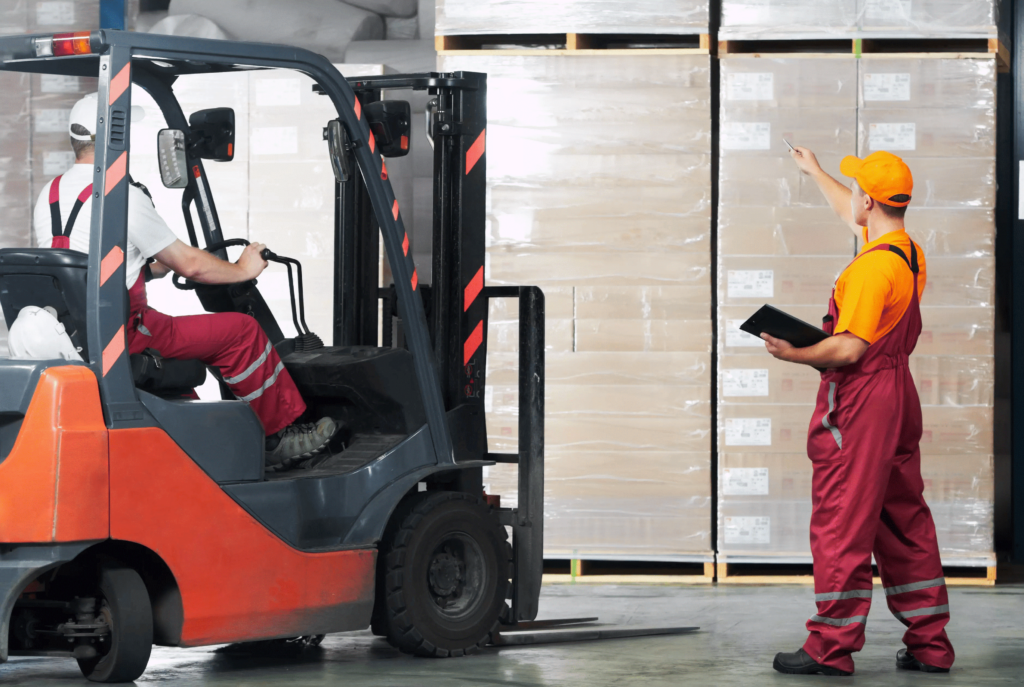
Manufacturing environments often feature specialized equipment adaptations, including drum clamps, paper roll clamps, and other attachments that require additional certification. Online forklift certification options have become increasingly popular for theoretical training components, though practical skills assessment must still be conducted in person.
The manufacturing sector offers a median annual wage of $61,170 for skilled forklift operators, making it one of the more lucrative industries for certified professionals.
Construction: Specialized Forklift License Needs for Job Sites
Construction sites present unique challenges for forklift operators, requiring specialized training beyond basic certification. A valid forklift license is required by law before operating any powered industrial truck in a workplace setting, with construction sites demanding additional skills due to their dynamic nature.
In construction, operators frequently work on:
- Uneven terrain and temporary surfaces
- Changing environmental conditions
- Variable load types and weights
- Coordination with multiple trades and activities
Rough terrain forklifts, used extensively in construction, require specific certification endorsements. These machines feature enhanced stability systems, all-terrain tires, and higher ground clearance to navigate construction sites safely.
The construction industry is projected to add approximately 21,500 new forklift operator positions annually, making it a significant growth sector for certified professionals. Understanding the top industry uses for forklifts can help operators specialize in high-demand sectors like construction.
Shipping and Logistics: Port and Distribution Hub Requirements
The shipping and logistics industry represents another major employer of certified forklift operators. From ports and harbors to rail yards and distribution centers, this sector relies on efficient material handling to maintain supply chain integrity.
Port operations often require specialized certifications for:
- Container handlers
- Reach stackers
- Heavy-duty forklifts
- Marine terminal equipment
Many shipping and logistics companies now accept forklift certification online for the classroom portion of training requirements, though practical assessment remains hands-on. The international nature of this industry sometimes requires familiarity with global standards beyond OSHA requirements.
With global trade continuing to expand, the shipping and logistics sector offers excellent career stability for certified operators. Research shows how forklift certification leads to higher paying jobs across multiple industries, with shipping and logistics offering particularly competitive compensation.
Retail and Wholesale: High-Volume Material Handling
Large retail operations and wholesale clubs employ significant numbers of certified forklift operators to manage inventory and fulfill orders. These environments often feature:
- High-volume merchandise movement
- Seasonal fluctuations in demand
- Customer-present operations (requiring enhanced safety awareness)
- Mixed merchandise types and storage requirements
The retail sector particularly values versatile operators who can handle multiple equipment types. The forklift certification benefits include improved safety records insurance savings, and career advancement opportunities, making retail an attractive option for entry-level operators.
Finding Forklift Certification near Me: Industry-Specific Options
When seeking certification, it’s important to consider industry-specific requirements. OSHA’s powered industrial trucks standard (29 CFR 1910.178) establishes the baseline requirements, but many industries have additional specialized needs.
The certification process typically includes:
- Formal Instruction – Theoretical knowledge through lectures, videos, and documentation
- Practical Training – Hands-on operation under qualified supervision
- Performance Evaluation – Assessment in actual work environments
Employers must maintain documentation of operator names, training dates, and evaluation records, with refresher training required at least every three years.
Summary & Insights: Career Opportunities for Certified Operators
The demand for certified forklift operators spans numerous industries, offering diverse career paths for qualified professionals. With projected growth of 15% over the next decade and a median annual wage exceeding $61,000, forklift operation represents a stable and rewarding career option.
Key industry trends shaping future opportunities include:
- Technological integration (IoT, telematics, automation)
- Green technology adoption (electric forklifts now dominate with 63.1% market share)
- Digital system proficiency requirements
- Specialized equipment certification needs
For those considering this career path, investing in comprehensive certification and specialized endorsements like the bendi licence can significantly enhance employment prospects and earning potential. As industries continue to evolve, the role of the certified forklift operator remains essential to global commerce and manufacturing operations.