
Forklifts are indispensable tools in various industries, enabling the efficient movement and transportation of heavy loads. However, not all forklifts are created equal, and choosing the right type for your specific needs is crucial for optimizing productivity and safety in the workplace. In this guide, we’ll explore the different types of available forklifts, highlighting their unique features and applications to help you determine which is the best fit for your requirements.
Electric Counterbalance Forklifts:
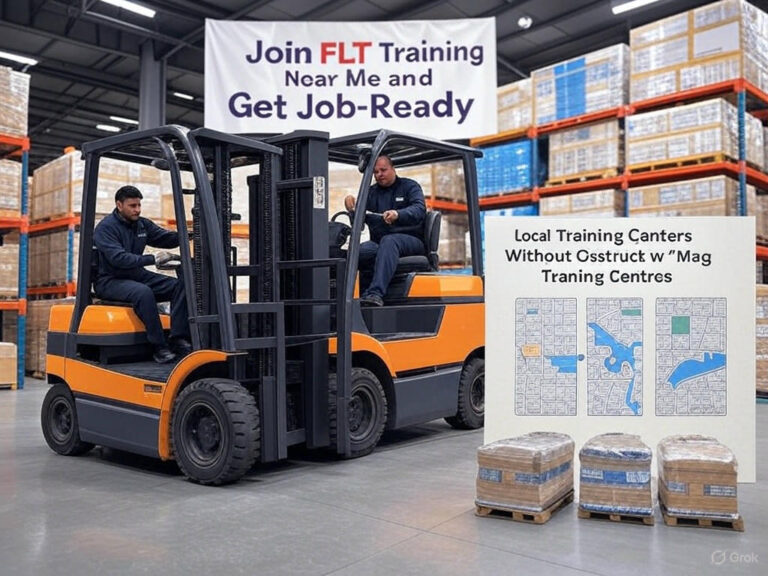
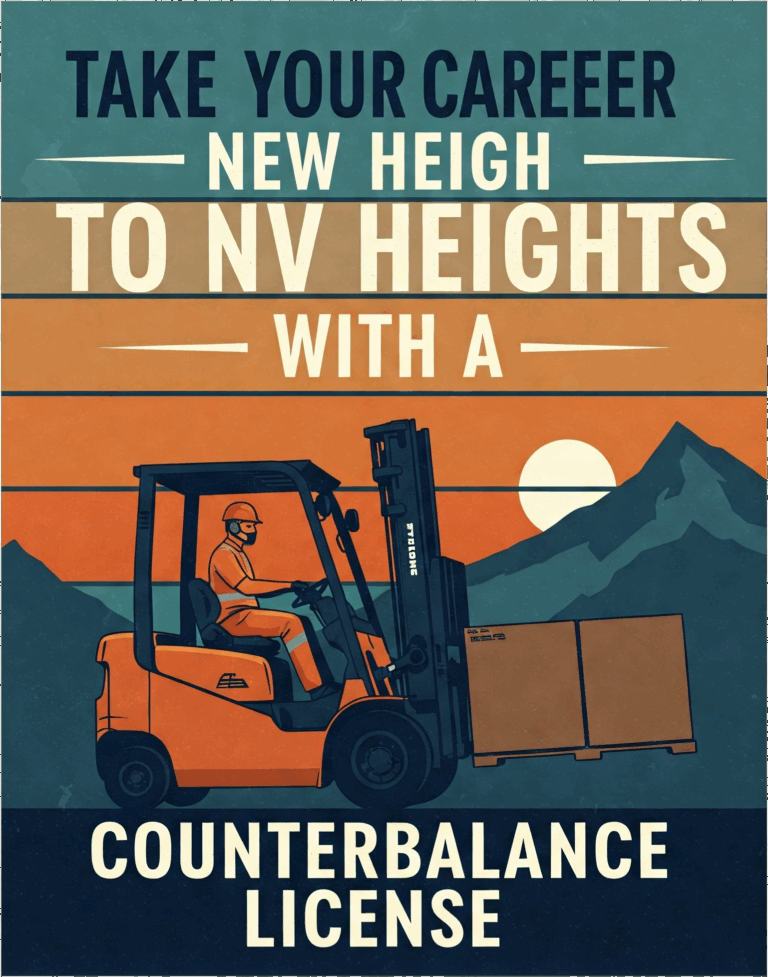
Electric Counterbalance Forklifts: Electric counterbalance forklifts are one of the most common forklifts used in indoor warehouse environments. They are powered by electric batteries, making them ideal for operations where exhaust emissions are a concern. Electric counterbalance forklifts feature a counterweight in the rear of the vehicle to offset the weight of the load being lifted, allowing forklift operators to maneuver with ease in confined spaces. These Forklift Training are available in various capacities and configurations to suit different applications.
Internal Combustion Counterbalance Forklifts:
Internal Combustion Counterbalance Forklifts: Internal combustion counterbalance forklifts are similar to their electric counterparts but are powered by gasoline, diesel, or propane engines instead of batteries. These forklifts are well-suited for outdoor applications or environments where access to electrical charging stations may be limited. Internal combustion counterbalance forklifts offer robust performance and high lifting capacities, making them ideal for heavy-duty lifting tasks in industries such as construction, manufacturing, and lumber yards.
Reach Trucks:
Reach Trucks: Reach trucks are designed for narrow aisle warehouse operations where space is limited. Unlike counterbalance forklifts, reach trucks feature telescoping forks that can extend forward to reach loads stored on racks or shelves. This design allows reach trucks to access pallets in high-rise storage configurations efficiently. Reach trucks are commonly used in distribution centers, logistics facilities, and retail warehouses where maximizing vertical storage space is essential.
Order Pickers:
Order Pickers: Order pickers, also known as stock pickers, are specialized forklifts designed for order fulfillment tasks in warehouses and distribution centers. These forklifts feature a platform that allows operators to elevate themselves to the level of the inventory they are picking. Order pickers are particularly well-suited for picking individual items from shelves or racks in high-volume distribution operations. They offer enhanced efficiency and accuracy compared to traditional forklifts or manual picking methods.
Pallet Jacks:
Pallet Jacks: Pallet jacks, also referred to as pallet trucks or pump trucks, are simple and cost-effective solutions for moving palletized loads within a warehouse or loading dock. These manual or electric-powered devices feature forks that slide underneath pallets, allowing operators to lift and transport them with ease. Pallet jacks are ideal for light to medium-duty applications and are commonly used in retail stores, grocery warehouses, and small-scale distribution operations.
Tow Tractors:
Tow Tractors: Tow tractors, also known as tugger trucks or tow tugs, are designed for towing heavy loads, such as trailers or carts, across warehouse facilities. These compact yet powerful vehicles feature a hitch or coupling mechanism that allows them to connect to and tow multiple trailers simultaneously. Tow tractors are commonly used in industries with extensive material handling and transportation needs, such as automotive manufacturing, distribution centers, and airports.
Choosing the Right Forklift for Your Needs:
When selecting a forklift for your specific needs, consider factors such as the type of materials you will be handling, the layout of your facility, and any environmental considerations. Additionally, assess the lifting capacity, maneuverability, and operational requirements of each type of forklift to ensure it aligns with your operational goals and safety requirements. Consulting with a knowledgeable forklift dealer or rental provider can help you identify the right forklift for your application and budget.
Final Thoughts:
Choosing the right type of forklift is essential for optimizing productivity, efficiency, and safety in material handling operations. Whether you require a counterbalance forklift for indoor warehouse operations, a reach truck for narrow aisle applications, or a tow tractor for towing heavy loads, there is a forklift solution to meet your needs. By understanding the unique features and applications of different types of forklifts, you can make an informed decision that enhances the performance and profitability of your business.