
Earning your forklift certification is just the beginning of your journey as a skilled operator. While certification provides you with the basic knowledge and skills needed to operate a forklift safely, true expertise comes with experience, continuous learning, and deliberate practice. According to industry research, operators who engage in ongoing skill development are 61% more effective in their roles and significantly less likely to be involved in workplace accidents.
This guide will help you take your forklift operation abilities to the next level, focusing on practical strategies that build upon your certification foundation.
Continuing Education through Advanced Forklift Classes and Workshops
Even after certification, there are numerous opportunities to enhance your skills through specialized forklift classes and additional training. Many employers and safety organizations offer advanced courses that focus on specific aspects of forklift operation beyond the basics covered in certification programs. These classes often address specialized equipment types, challenging environments, or advanced techniques that can significantly improve your capabilities.
Look for workshops that offer hands-on practice with experienced instructors who can provide personalized feedback. Some training centers also offer simulator-based learning, which allows you to practice handling difficult scenarios without any risk. Investing in these educational opportunities demonstrates your commitment to professional growth and workplace safety.
Essential Habits of an Expert Forklift Driver
Developing the right habits is crucial for becoming an exceptional forklift driver. Start each shift with a comprehensive pre-operation inspection of your equipment. This should include checking fluid levels, tire condition, fork integrity, and all safety features. An experienced forklift driver always ensures their equipment is in optimal condition before beginning work.
Maintain proper posture while operating to reduce fatigue and improve control. Keep your back straight, shoulders relaxed, and both hands on the controls. Scan your surroundings continuously, not just in the direction of travel but also above and to the sides. Develop the habit of planning your route before moving to avoid unnecessary maneuvers and potential hazards.
Communication with team members is another crucial skill for any forklift driver working in busy environments. Use clear hand signals, make eye contact when possible, and never assume others see you approaching.
Critical Forklift Operator Skills to Master Post-Certification
Advanced load handling is one of the most important forklift operator skills to develop after certification. This includes understanding the center of gravity for different load types and how it affects stability Practice picking up and placing loads of varying weights and dimensions to enhance your precision and control.
Load stabilization techniques are essential for preventing shifting during transit. Learn to properly secure different types of loads and recognize signs of instability before they become dangerous. Employer’s value forklift operator skills that contribute to workplace safety and efficiency.
Precision maneuvering in tight spaces is another critical skill to master. Practice techniques like right-angle stacking and spin turns in controlled environments until they become second nature. The ability to navigate confined areas efficiently without damaging products or infrastructure is highly valued in any warehouse or manufacturing setting.
Safety Tips When Driving Forklift in Challenging Environments
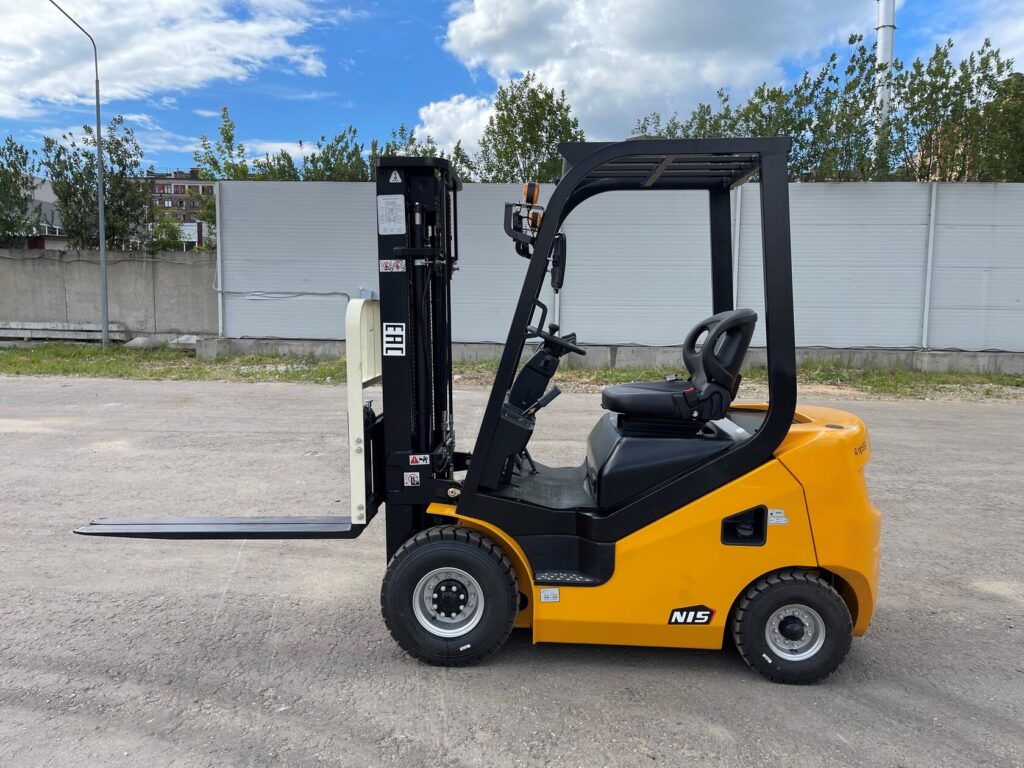
When driving forklift in challenging conditions, additional skills and awareness are required. For outdoor operations, learn how different weather conditions affect traction and stability. Adjust your speed and handling techniques accordingly when operating on wet, icy, or uneven surfaces.
For ramps and inclines, always follow proper protocols: drive forward when going up and in reverse when going down, keeping the load uphill. When driving forklift in tight spaces, always maintain awareness of your surroundings and use spotters when necessary.
Visibility challenges require special attention. Use mirrors effectively, position your body for maximum visibility, and never hesitate to stop and check if your view is obstructed. Remember that proper posture while driving forklift can prevent fatigue and improve control during long shifts.
Refining How to Drive a Forklift with Advanced Techniques
Continuous practice is essential for improving your forklift driving skills even after certification. Focus on refining how to drive a forklift with precision by practicing specific maneuvers repeatedly. Set up practice courses with cones or pallets during downtime to work on tight turns, accurate placement, and smooth operation.
Master the art of load approach and pickup. Practice approaching loads from the optimal angle and positioning your forks at the correct height on the first attempt. Work on maintaining a smooth acceleration and braking pattern to prevent load shifting and reduce wear on your equipment.
Learn to judge distances accurately without relying on trial and error. This skill is particularly important when stacking at height or placing loads in tight spaces. Regular self-assessment using a forklift driving skills test can help track your improvement in these areas.
Building a Safety-First Mindset
Safety should always be your top priority as a forklift operator. Develop a heightened awareness of your surroundings and potential hazards. Train yourself to constantly scan for pedestrians, obstacles, and changing conditions that might affect your operation.
Learn to recognize and respond to warning signs of potential accidents, such as unstable loads, equipment malfunctions, or unsafe workplace conditions. Don’t hesitate to stop operations and report safety concerns this proactive approach prevents accidents and demonstrates professional responsibility.
Understand that safety extends beyond your immediate operation. Consider how your actions affect others in the workplace and communicate effectively about potential hazards. Many employers conduct periodic forklift driving skills tests to ensure operators maintain high safety standards.
Continuous Improvement through Feedback and Mentorship
Seek regular feedback from supervisors and experienced colleagues. Their observations can help identify areas for improvement that you might not notice yourself. Be open to constructive criticism and view it as an opportunity for growth rather than personal judgment.
Consider finding a mentor who can share their expertise and provide guidance. Mentorship programs offer an excellent opportunity for learning forklift driving techniques from experienced operators who have faced and overcome the same challenges you’re encountering.
Document your progress and set specific goals for skill improvement. This might include reducing the time needed for certain tasks, improving accuracy in placement, or mastering new types of equipment. Tracking your development provides motivation and a clear path for advancement.
Final Reflections
Improving your forklift driving skills after certification is a continuous journey that requires dedication, practice, and a commitment to safety. By pursuing additional education, developing good habits, mastering advanced techniques, adapting to challenging environments, prioritizing safety, and seeking feedback, you can become an exceptional forklift operator valued by any employer.
Remember that excellence in forklift operation isn’t just about technical skills it’s about responsibility, awareness, and professional pride. Each day presents new opportunities to refine your abilities and contribute to a safer, more efficient workplace. Take the initiative to implement these strategies in your daily work routine. Consider creating a personal development plan that incorporates regular practice sessions, additional training opportunities, and specific skill-building exercises. Your commitment to improvement will not only enhance your capabilities but also advance your career prospects in material handling and logistics.