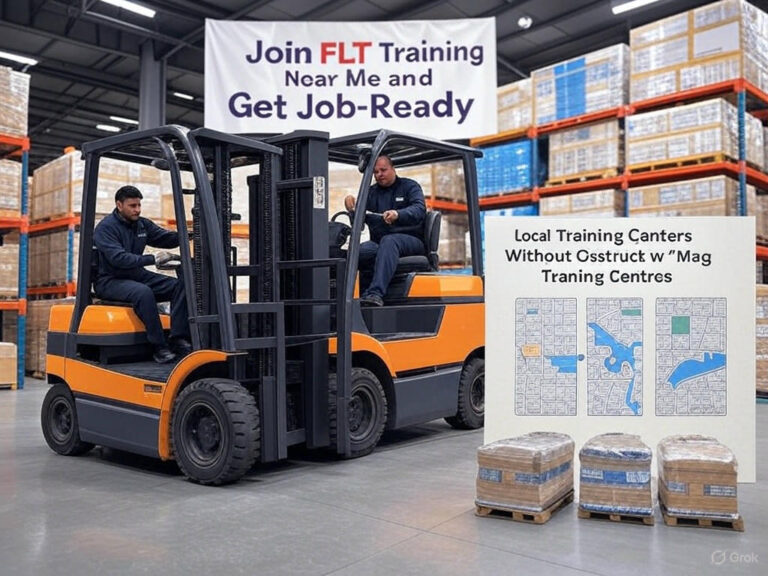

Forklifts are essential in industries such as warehousing, construction, and logistics, where heavy loads need to be transported efficiently. However, operating a forklift without proper training can lead to serious accidents, injuries, and even fatalities. Every year, thousands of workplace incidents occur due to improper forklift use, costing businesses millions in damages and compensation claims. This highlights the critical need for forklift safety training, which ensures that operators are equipped with the right skills and knowledge to handle forklifts safely and effectively.
Why Enrolling in a Forklift Course near Me is Essential
If you are looking to enhance your skills or comply with workplace safety regulations, enrolling in a forklift course is a crucial step. These courses teach operators how to maneuver forklifts safely, maintain stability while carrying loads, and adhere to legal safety guidelines. Training covers key aspects such as hazard identification, emergency response, and pre-operation inspections, which are all essential for preventing accidents. Certified forklift operators not only ensure a safer working environment but also contribute to increased workplace efficiency and compliance with industry standards.
Understanding the Risks of Untrained Forklift Operation
The risks associated with untrained forklift operators are significant. Some of the most common forklift-related accidents include:
- Tip-Overs and Rollovers: Forklifts have a high center of gravity, making them prone to tipping over if handled incorrectly. This can result in serious injuries or fatalities.
- Collisions with Workers or Equipment: Inexperienced operators may struggle with visibility and spatial awareness, leading to accidents involving coworkers, machinery, or storage units.
- Load Instability: Improper loading techniques can cause pallets to shift or fall, leading to damaged goods and potential injuries.
- Pedestrian Safety Hazards: Forklifts often operate in shared workspaces where pedestrians are present. Without proper training, the risk of accidents involving foot traffic increases significantly.
Key Benefits of Forklift Safety Training
Forklift safety training is not just about learning how to operate the machine it’s about developing the skills needed to prevent accidents and ensure a smooth workflow. Here are some key benefits of undergoing professional training:
1. Compliance with Workplace Safety Regulations
Government agencies and workplace safety authorities require all forklift operators to undergo proper training. Certification ensures compliance with health and safety regulations, helping businesses avoid fines and legal consequences.
2. Reduction in Workplace Accidents
A trained forklift operator understands how to assess risks and apply best practices to prevent accidents. This leads to fewer injuries, reduced downtime, and a safer work environment for everyone.
3. Increased Efficiency and Productivity
Proper training improves forklift handling skills, allowing operators to transport goods more efficiently. This minimizes delays, optimizes workflow, and contributes to overall workplace productivity.
4. Lower Maintenance and Repair Costs
Operators who receive proper training are more likely to handle forklifts with care, reducing the risk of damage to the equipment. This leads to lower maintenance costs and extends the lifespan of the machinery.
5. Better Job Opportunities for Operators
Holding a forklift certification increases job prospects in industries that require skilled equipment operators. Many employers prefer or even require certification before hiring, making trained operators more competitive in the job market.
How to Choose the Right Forklift Training Course
When selecting a forklift training course, consider the following factors to ensure you receive quality instruction:
- Accreditation and Certification: Choose a course that meets the industry’s legal requirements and provides recognized certification.
- Course Curriculum: Look for training that covers both theoretical and practical aspects of forklift operation. Topics should include safety procedures, load management, and emergency protocols.
- Experienced Instructors: A good training program should be led by certified professionals with hands-on industry experience.
- Hands-On Training Opportunities: Practical training is essential for mastering forklift operation. Ensure the course offers real-world training exercises.
- Course Duration and Flexibility: Consider whether the course schedule aligns with your availability, especially if you are working while training.
Final Thoughts
Forklift safety training is more than just a legal requirement it is a vital investment in workplace safety and operational efficiency. Whether you are an employer looking to improve workplace safety or an individual seeking to boost your career prospects, enrolling in a professional forklift training program is the best way to ensure compliance and reduce the risk of accidents. By completing a certified forklift course, operators gain the confidence and skills needed to work safely, preventing workplace injuries and improving overall productivity.
If you’re searching for a reputable training provider, consider enrolling in a forklift course nearme that meets industry standards and equips you with the knowledge to operate forklifts safely and effectively.