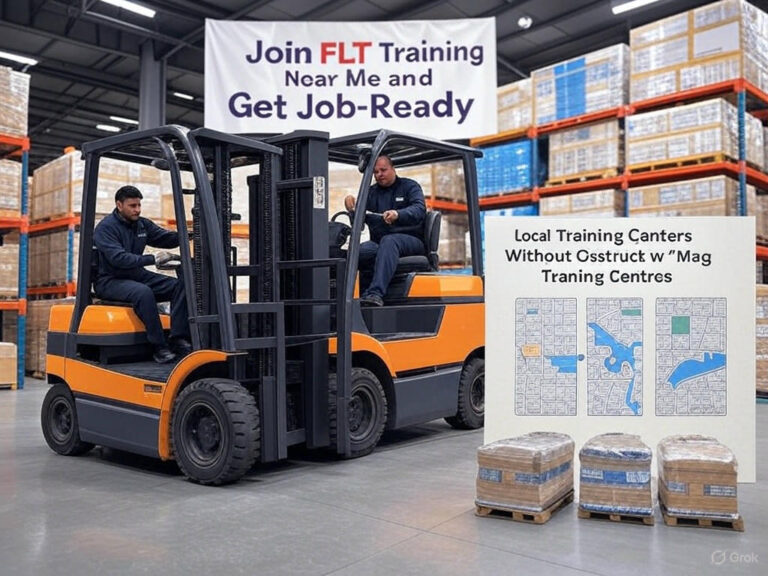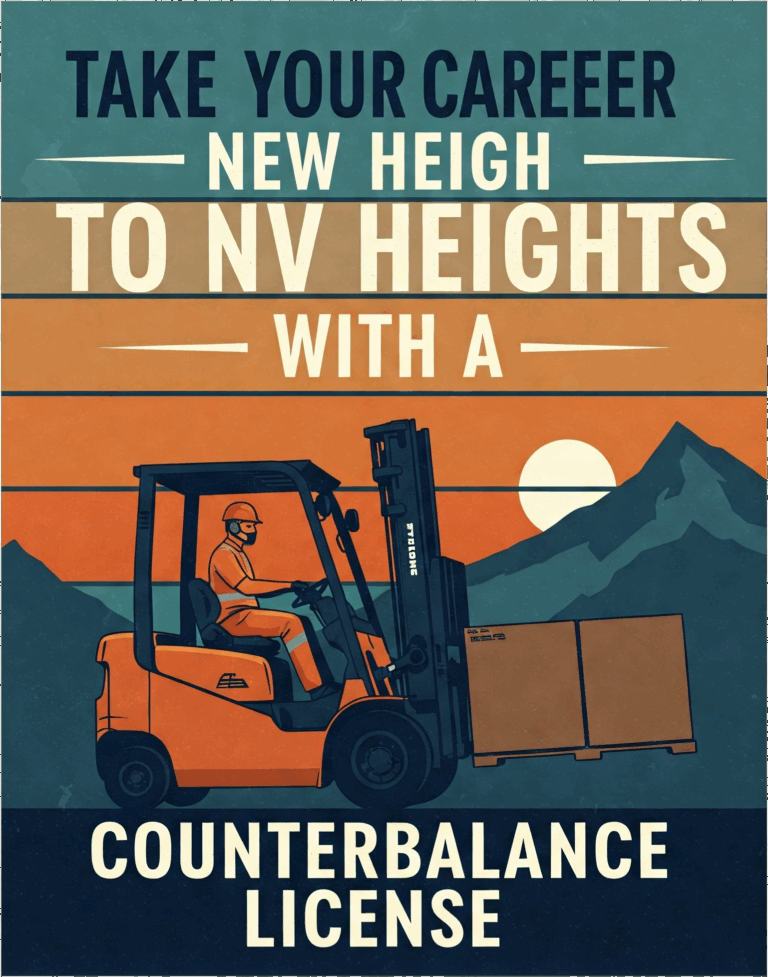

The logistics and warehousing industries rely heavily on forklifts for efficient operations, and the counterbalance forklift is one of the most commonly used types. These forklifts are designed with a weight at the back to balance heavy loads at the front, making them essential for lifting and transporting materials in warehouses, factories, and distribution centers. However, operating them requires proper training, as mishandling can lead to workplace accidents, injuries, and financial losses. A counterbalance license certifies that an operator has the skills and knowledge to use these machines safely and effectively.
Why Is a Counterbalance License Important?
Without formal training, a counterbalance forklift can be difficult and dangerous to operate. Many accidents occur due to improper load handling, tipping over, or collisions with other machinery and workers. A counterbalance license ensures that operators are well-versed in safety protocols, equipment maintenance, and efficient maneuvering. In addition to safety, having the right certification enhances job opportunities, as most employers prefer or even require licensed forklift operators.
If you’re searching for a counterbalance license course, choosing a recognized training provider is crucial. High-quality instruction not only teaches operational skills but also provides an in-depth understanding of legal regulations, workplace safety measures, and best practices for forklift operation.
Steps to Obtain a Counterbalance License
The process of earning a counterbalance license involves both theoretical and practical training. The course typically begins with classroom instruction, where trainees learn about forklift mechanics, load balancing, weight distribution, and legal requirements for operating heavy machinery. This knowledge is essential for making informed decisions in real-world scenarios.
Following theoretical training, practical sessions allow students to handle a counterbalance forklift under the supervision of an experienced instructor. Trainees learn how to navigate confined spaces, stack loads properly, and manage inclines or uneven surfaces. These hands-on exercises help build confidence and competence before moving on to the final assessment.
At the end of the course, candidates must pass both a written test and a practical exam to demonstrate their proficiency. Upon successful completion, they receive their counterbalance license, which qualifies them to operate forklifts professionally in various industries.
Career Benefits of a Counterbalance License
Holding a counterbalance forklift license opens doors to a wide range of job opportunities in logistics, manufacturing, retail, and construction. Certified operators are often preferred by employers as they contribute to a safer and more efficient work environment. Additionally, licensed forklift drivers may enjoy better wages and greater job stability compared to unlicensed workers.
For businesses, hiring trained forklift operators reduces accident risks, lowers maintenance costs, and improves overall productivity. Properly trained employees are also more likely to handle equipment responsibly, reducing wear and tear on machinery.
Last Words
Earning a counterbalance license is an investment in both safety and career growth. Whether you’re new to the field or looking to advance in your current role, obtaining proper certification will enhance your skills, improve job prospects, and ensure compliance with industry standards. With structured training and hands-on experience, you’ll be well-equipped to operate counterbalance forklifts efficiently and safely in any professional setting.