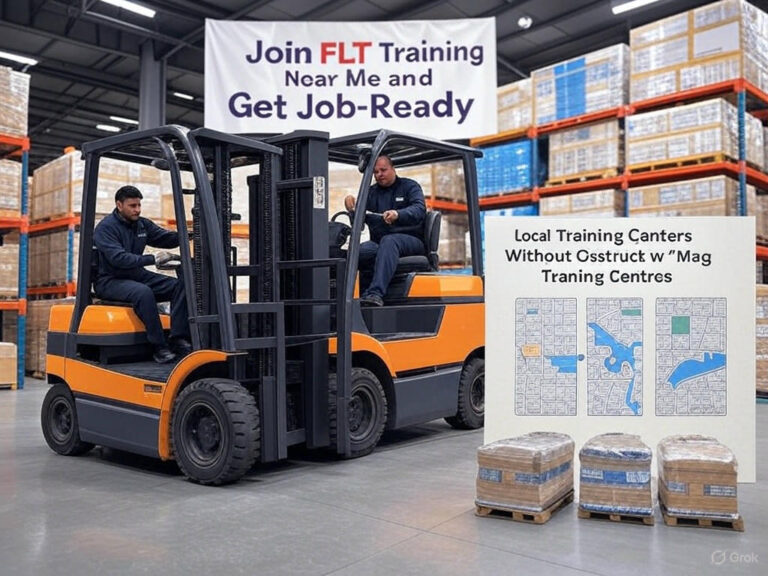

Forklifts, also known as lift trucks or forklift trucks, are indispensable pieces of equipment in various industries, from warehouses to construction sites. These powerful machines facilitate the movement and transportation of heavy materials with ease. However, operating a forklift requires specialized skills and knowledge to ensure both safety and efficiency. Forklift training plays a pivotal role in equipping operators with the necessary expertise to handle these machines effectively.
The Importance of FLT Training:
FLT training, or forklift training, goes beyond teaching operators how to drive the vehicle. It encompasses a comprehensive understanding of forklift mechanics, safety protocols, and best practices. Proper FLT training covers topics such as load handling, vehicle stability, pre-operation inspections, and emergency procedures. Additionally, operators learn about the importance of maintaining a clear line of sight, avoiding hazards, and communicating effectively with coworkers.
Safety First:
Operating a forklift without proper training can pose significant risks to both the operator and those around them. Forklift accidents can result in severe injuries, fatalities, and costly damages to property and goods. According to the Occupational Safety and Health Administration (OSHA), forklift-related incidents account for a considerable number of workplace accidents each year. However, many of these accidents can be prevented through comprehensive forklift training programs.
Efficiency in Operations:
Aside from safety concerns, forklift training also contributes to operational efficiency. A well-trained operator can maneuver a forklift with precision, leading to smoother operations and increased productivity. Proper training ensures that operators understand how to handle different loads, navigate various types of terrain, and operate the forklift in tight spaces. This efficiency translates to time and cost savings for businesses, as tasks are completed more quickly and with fewer errors.
Legal Compliance:
In many jurisdictions, forklift operators are required to undergo training and obtain certification before operating these machines. Regulatory bodies such as OSHA have established standards for forklift training programs to ensure the safety of workers. Failure to comply with these regulations can result in hefty fines and legal consequences for businesses. By investing in FLT training for their employees, companies not only prioritize safety but also avoid costly penalties.
Reducing Workplace Accidents:
One of the primary goals of FLT training is to reduce the risk of workplace accidents involving forklifts. By educating operators about proper handling techniques and safety precautions, training programs help mitigate potential hazards. Operators learn how to identify and avoid common risks, such as tipping over, collisions, and falls. Moreover, they are trained to recognize the signs of fatigue and stress, which can impair judgment and reaction times.
Enhancing Operator Confidence:
Confidence is key when operating a forklift, especially in high-pressure environments such as busy warehouses or construction sites. FLT training instills confidence in operators by equipping them with the skills and knowledge necessary to handle challenging situations effectively. Knowing that they have been properly trained boosts operators’ confidence in their abilities and enables them to approach their tasks with assurance and competence.
Promoting a Culture of Safety:
Beyond individual training, promoting a culture of safety within the workplace is essential for preventing accidents and injuries. Employers should encourage open communication about safety concerns, provide ongoing training and refresher courses, and actively involve employees in safety initiatives. By fostering a safety-conscious environment, companies can create a workplace where employees feel empowered to prioritize safety in everything they do.
Final Thoughts:
In conclusion, FLT training is vital for ensuring the safety and efficiency of forklift operations in various industries. By providing operators with the knowledge and skills they need to operate forklifts safely, training programs help reduce workplace accidents, improve operational efficiency, and comply with legal regulations. Investing in FLT training not only protects employees and assets but also contributes to a culture of safety within the workplace. Therefore, businesses should prioritize comprehensive FLT training for their forklift operators to reap the benefits of enhanced safety and productivity.