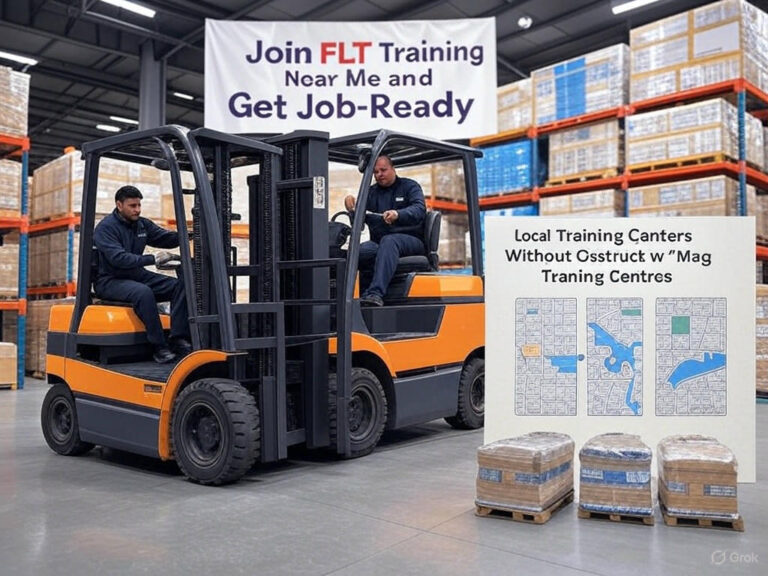

Fork lifts play a crucial role in material handling and logistics operations across various industries, from warehouses to construction sites. However, operating a fork lift requires specialized skills and knowledge to ensure both safety and efficiency. Investing in fork lift training for your employees is essential to equip them with the expertise they need to operate these powerful machines effectively and safely. In this guide, we’ll explore the numerous benefits of providing fork lift training to your workforce.
Improved Safety:
Safety is paramount in any workplace, especially where heavy machinery like fork lifts is involved. Fork lift accidents can result in serious injuries, fatalities, and damage to property and goods. By investing in fork lift training for your employees, you can significantly reduce the risk of accidents and create a safer work environment. Training programs cover essential safety protocols, including proper operation techniques, hazard identification, and emergency procedures, empowering operators to make informed decisions and mitigate risks effectively.
Reduced Risk of Accidents and Injuries:
Proper fork lift training can help reduce the risk of accidents and injuries in the workplace. Trained operators are better equipped to navigate potential hazards, such as uneven terrain, tight spaces, or obstructed pathways. They also learn how to handle loads safely, prevent tip-overs and collisions, and respond appropriately to emergencies. By investing in fork lift training, you can protect your employees from harm and minimize the likelihood of costly accidents and workers’ compensation claims.
Compliance with Regulations:
Regulatory bodies such as the Occupational Safety and Health Administration (OSHA) require employers to provide adequate training to fork lift operators to ensure workplace safety and compliance with regulations. Failure to comply with these regulations can result in hefty fines and penalties for businesses. By investing in fork lift training for your employees, you demonstrate your commitment to safety and compliance with regulatory standards, thereby avoiding potential legal consequences and protecting your business reputation.
Enhanced Productivity:
Well-trained fork lift operators are more efficient and productive in their roles. By equipping your employees with the skills and knowledge they need to operate fork lifts safely and effectively, you can streamline material handling processes, minimize downtime due to accidents or errors, and optimize workflow efficiency. Trained operators are better able to maneuver fork lifts in tight spaces, handle loads quickly and accurately, and complete tasks with precision, leading to improved productivity and operational performance.
Reduced Equipment Damage:
Inexperienced or untrained fork lift operators are more likely to cause damage to equipment, inventory, and infrastructure due to improper handling techniques or accidents. This can result in costly repairs, replacements, and disruptions to operations. Fork lift training teaches operators how to operate the equipment correctly, handle loads safely, and avoid collisions and accidents, thereby reducing the risk of damage to fork lifts and other assets. By investing in training, you can protect your investments and prolong the lifespan of your equipment.
Boosted Employee Morale and Confidence:
Providing fork lift training opportunities for your employees demonstrates your investment in their professional development and safety. Trained operators feel more confident and competent in their roles, knowing that they have received proper training and support from their employer. This boost in confidence can lead to increased job satisfaction, higher morale, and greater engagement among your workforce. Employees who feel valued and supported are more likely to take pride in their work and contribute positively to the success of your business.
Cost Savings in the Long Run:
While investing in fork lift training may require an initial investment of time and resources, the long-term benefits far outweigh the costs. By reducing the risk of accidents, injuries, and equipment damage, fork lift training helps minimize costly downtime, repairs, and insurance claims. Additionally, improved productivity and efficiency resulting from trained operators can lead to cost savings and a more competitive edge in the marketplace. Ultimately, investing in fork lift training for your employees is an investment in the safety, productivity, and success of your business.
Final Thoughts:
Investing in fork lift training for your employees offers numerous benefits, including improved safety, reduced risk of accidents and injuries, compliance with regulations, enhanced productivity, reduced equipment damage, boosted employee morale and confidence, and cost savings in the long run. By equipping your workforce with the skills and knowledge they need to operate fork lifts safely and effectively, you can create a safer work environment, optimize operational performance, and protect your business’s bottom line. Investing in fork lift training is not just a legal requirement; it’s a smart investment in the success and sustainability of your business.